“Hand-me-downs” kill profits.
Parents often reuse old seats for baby #2.
However, they ignore a hidden danger.
As a retailer, you must teach them about Car Seat Expiry Dates.
Here is how to drive repeat sales.
Why Car Seat Expiry Dates Matter
Parents know milk expires. Plastic expires too.
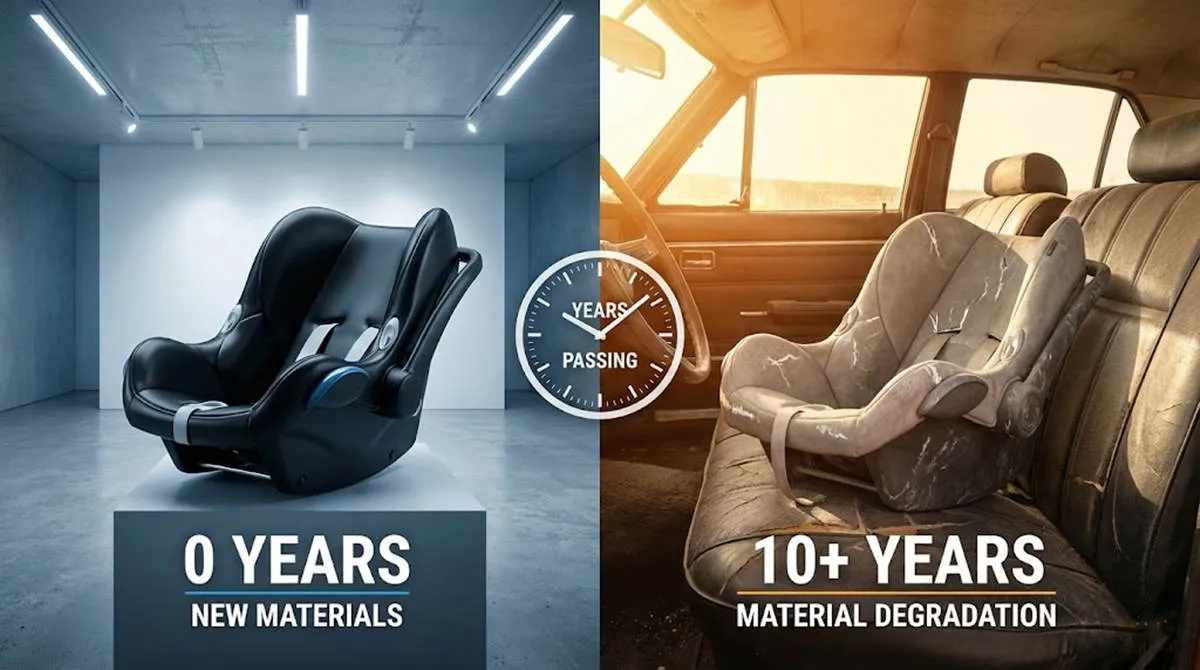
The cause is plastic aging.
A car seat faces extreme heat and UV light.
Over time, the shell becomes brittle.
Consequently, an old seat may shatter in a crash.
The 6-Year Rule: Sales Script
Don’t just sell. Educate.
Train your staff to use this script:
“Check the date. If it is over 6 years, the plastic aging makes it unsafe. It is like an old bike helmet.”
This shifts the focus from cost to safety.
Therefore, you convert a “reuse” into a new sale.
Our Manufacturing Standard
As your partner, we make this easy.
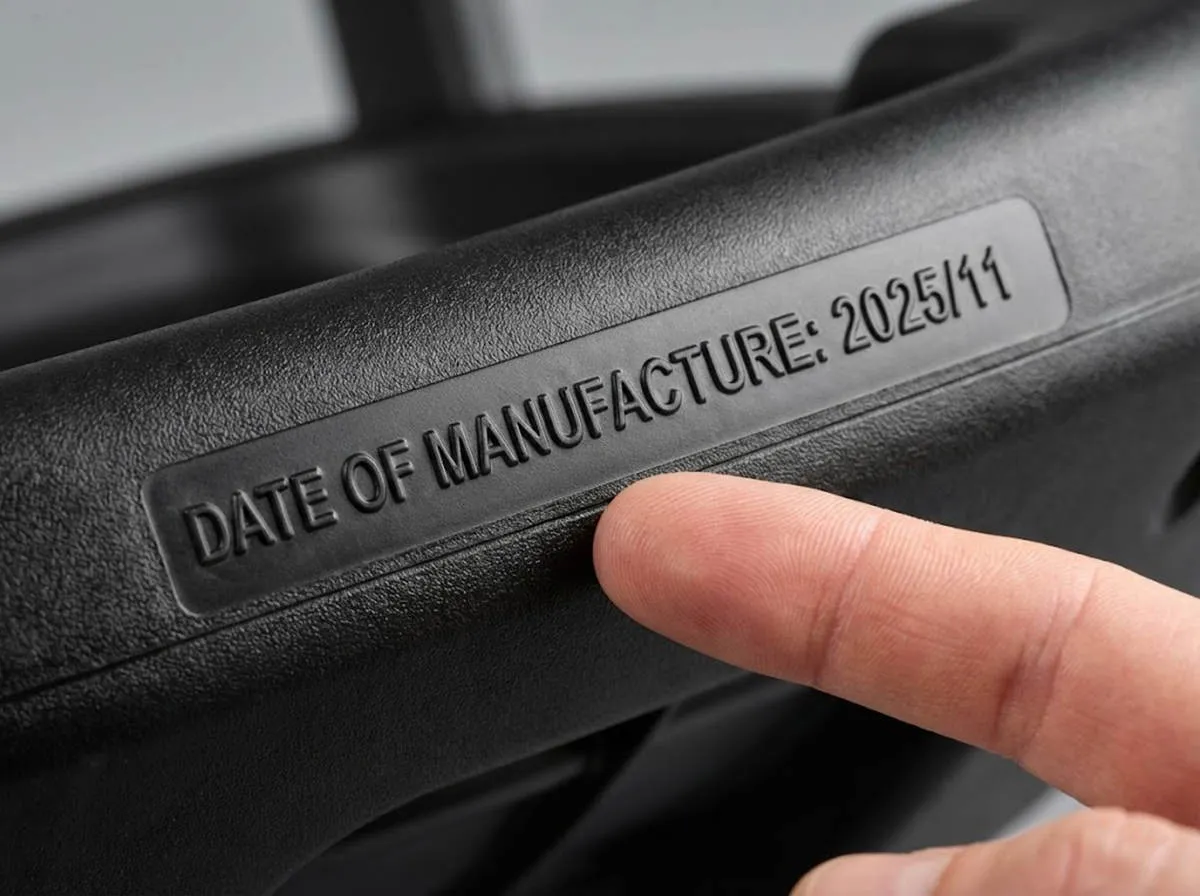
Clear Labels: We stamp the Car Seat Expiry Dates on every shell.
Quality Materials: We use UV-stabilized plastic.
Manuals: We include clear diagrams.
FAQ: Car Seat Safety & Sales
Where do I find the Car Seat Expiry Date?
On Babylovi seats, look for the embossed stamp or the white safety label on the back of the plastic shell.
Can I legally sell expired car seats?
We strongly advise against it. While laws vary by country, selling expired safety gear creates massive liability risks for your retail business.
Why is the lifespan usually 6-10 years?
This accounts for extreme temperature fluctuations (summer/winter) that degrade the plastic polymers, plus updates in safety regulations (like ECE R129).
Conclusion: Safety Drives Revenue
An expired seat is a liability.
Educate your market on Car Seat Expiry Dates.
You protect children. You also boost profit.
Is your inventory fresh?