
As parents, we want nothing more than to keep our children safe and comfortable. This is especially true when we’re on the move. It’s important to choose the right car seat and stroller for your newborn.
These essential items do much more than simply transport your child. A properly chosen car seat provides vital protection during every car journey. Meanwhile, the right stroller becomes your trusted companion for daily walks, shopping trips, and family adventures.
In this guide, we’ll walk you through everything you need to know. We’ll help you understand safety features, compare different types, and find the perfect combination for your family’s needs. Let’s begin this journey together, ensuring your little one travels in safety, comfort, and style.
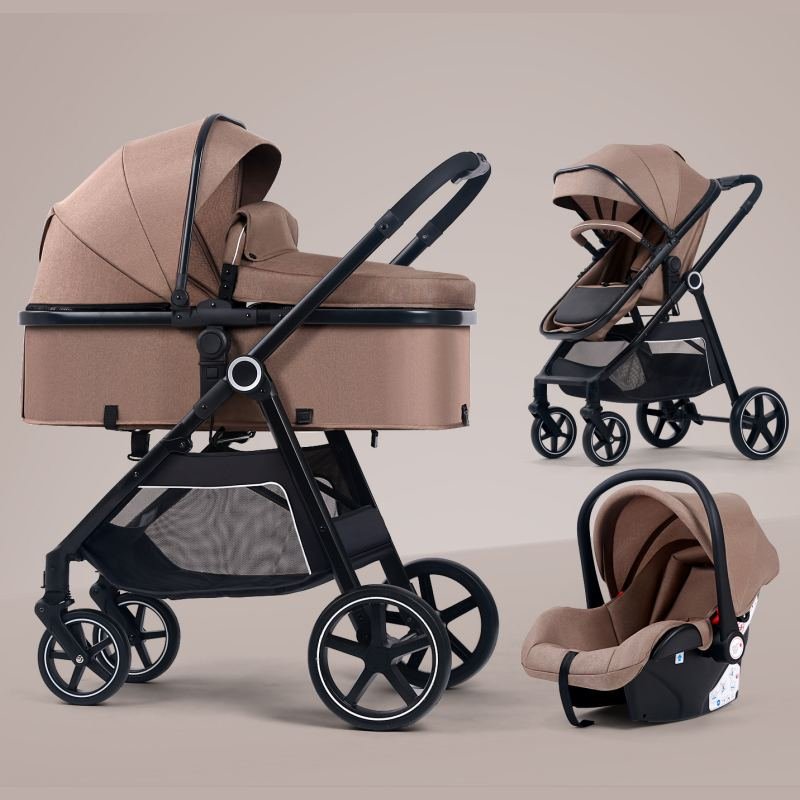
The Complete Guide to Choosing a Stroller
Right Stroller Type Selection
Understanding how to choose a car seat and stroller begins with selecting the right stroller type for your lifestyle. Each design serves specific needs and lifestyles, so let’s explore the most common options.
Standard strollers offer excellent stability and often come with more features like large storage baskets and adjustable handles. They work well for daily neighborhood walks and longer outings. However, they can be heavier and take up more trunk space.
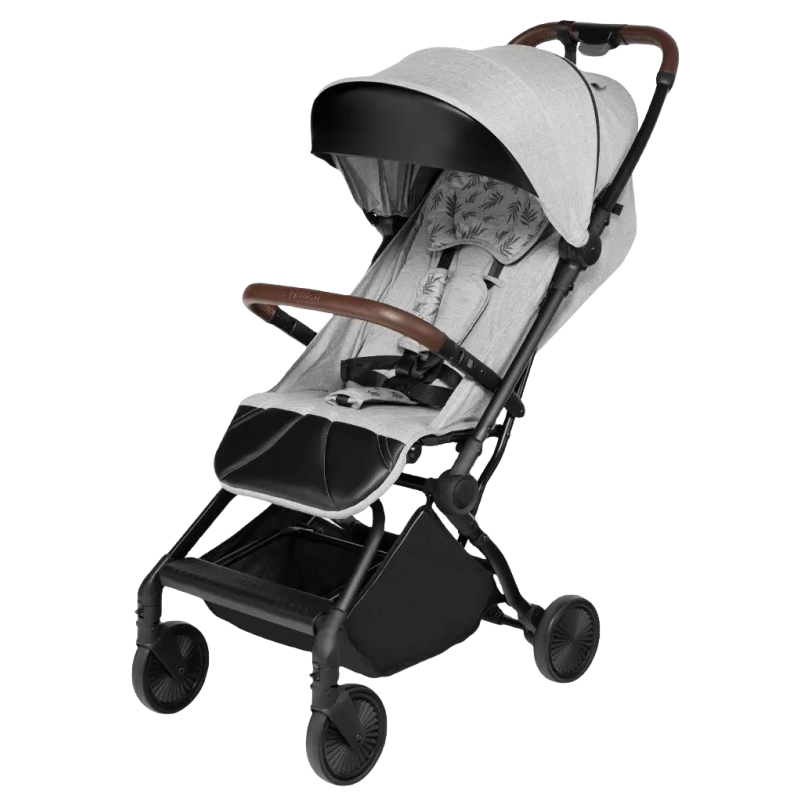
Lightweight or umbrella strollers prioritize portability and convenience. They fold compactly and are easy to carry, making them perfect for travel, public transportation, and quick errands. While they may have fewer features, their easy handling makes them a popular choice for parents on the go.
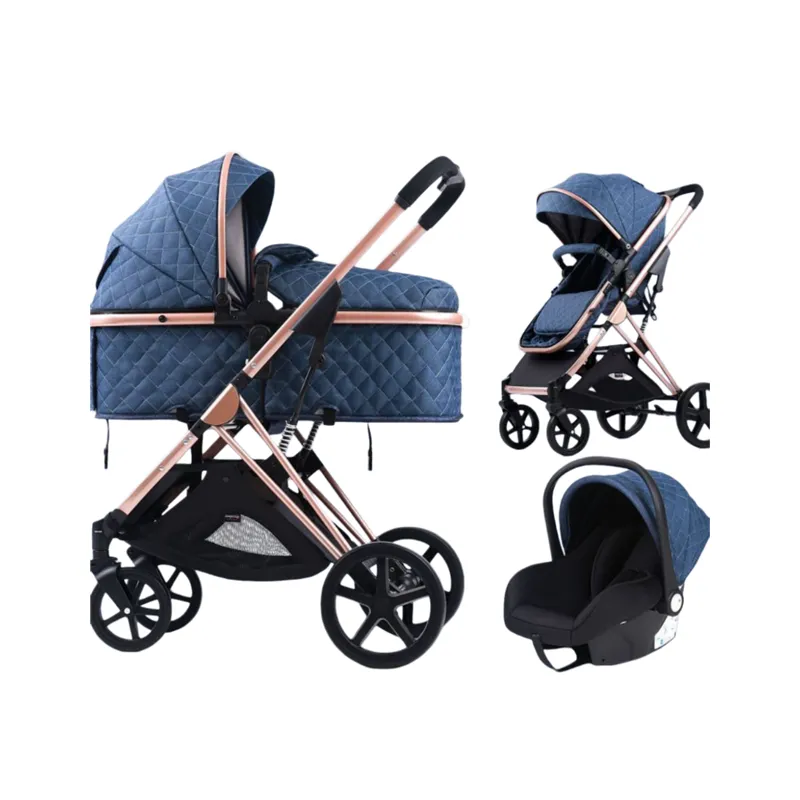
Travel systems provide complete convenience by combining a stroller with a compatible infant car seat. You can simply click the car seat directly onto the stroller frame, which is ideal for transferring a sleeping baby from car to stroller without disturbance. This all-in-one solution works beautifully for families who frequently use their car for outings and appointments.
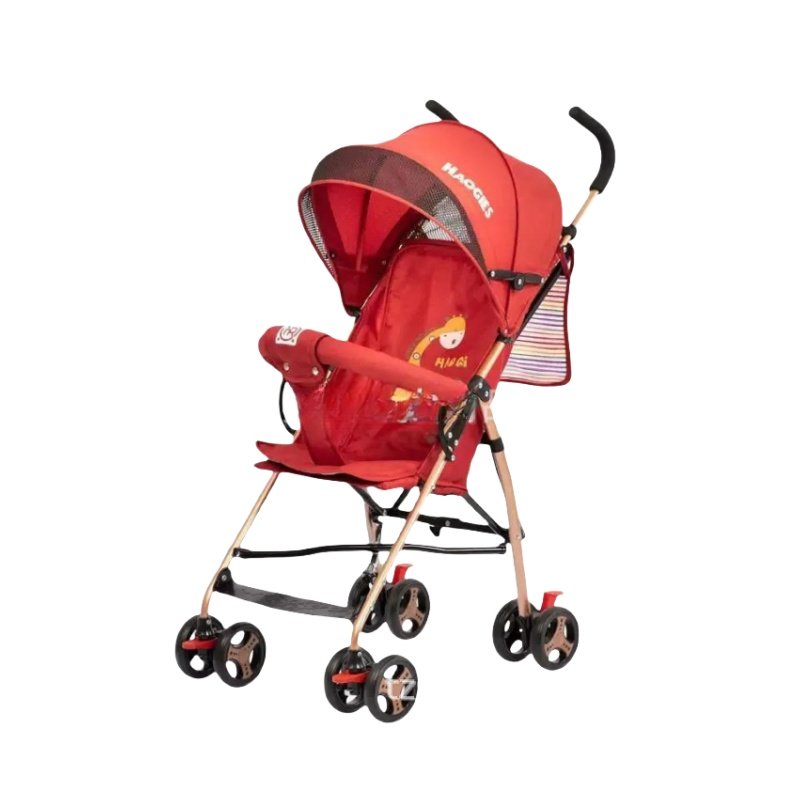
For families with twins or multiple young children, double and triple strollers offer practical solutions. You’ll find side-by-side models that allow children to interact easily, and tandem styles where one seat follows the other. These specialized strollers ensure all your children ride comfortably together during family adventures.
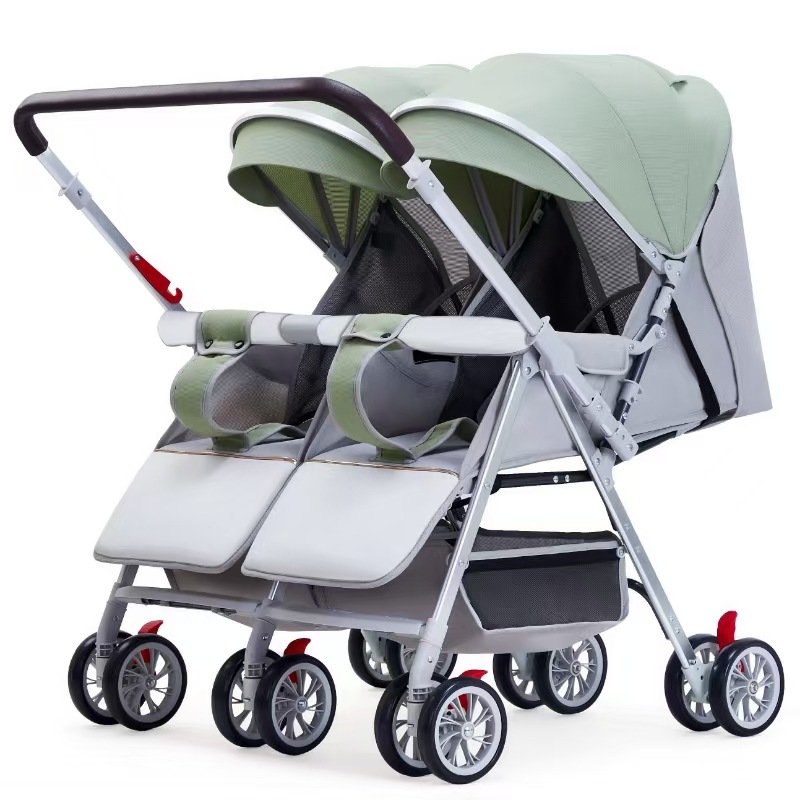
Each stroller type serves different purposes, so consider your daily activities and space requirements when making your selection. The right choice will make every journey smoother for both you and your little one.
Key Standards for Choosing Your Stroller
This guide on how to choose a car seat and stroller emphasizes four crucial factors. These elements work together to ensure both safety and convenience for your family.
Your child’s protection comes first, so look for a stroller with a sturdy frame that feels solid and reliable. A strong braking system is essential for keeping the stroller securely in place when stopped. The five-point safety harness provides the best protection, keeping your little one safely seated at all times.
Your baby’s comfort matters just as much as safety. Look for a seat that fully reclines, which is especially important for newborns who need to lie flat. Ample space allows room for growth, while good padding ensures comfortable rides. A well-padded seat with breathable fabric will keep your baby content during longer outings.
A stroller should make your life easier, so consider how it works for you. Test the folding mechanism to ensure it’s simple to operate with one hand. Check the weight and folded dimensions to make sure it fits in your car trunk and storage space at home. These practical features will save you time and effort every day.
Finally, think about how the stroller handles in your daily environment. Test how easily it pushes and turns, especially with one hand. Consider whether it can handle the surfaces you encounter regularly, from smooth mall floors to bumpy park paths. The right stroller should feel comfortable to push and fit seamlessly into your living environment.
Essential Safety Guidelines In Stroller Selection
Keeping your child safe in their stroller involves following some essential guidelines. These simple practices will help ensure every outing is both enjoyable and secure.
First and foremost, always secure your child with the safety harness, even for short trips. The five-point harness provides the best protection, and you should adjust it to fit snugly against your child’s body. Make this a habit every time you place your child in the stroller.
Also, avoid hanging heavy bags or purses on the handlebars. This extra weight can cause the stroller to tip backward unexpectedly, creating a dangerous situation. Instead, use the storage basket underneath the stroller for your belongings, as this maintains better balance and stability.
Finally, never leave your child unattended in their stroller. Always stay within arm’s reach and keep your eyes on your little one. If you need to step away, even for a moment, always bring your child with you or ask another responsible adult to watch them.
Following these simple but crucial safety tips will give you peace of mind during every walk and adventure with your little one.
The Essential Guide to Choosing a Car Seat
How to Pick the Right Car Seat for Each Stage
Choosing the right car seat means matching it to your child’s current developmental stage. Car seats are specifically designed to provide optimal protection as your child grows.
All infants and toddlers should start in rear-facing seats. This position provides the best protection because it supports their head, neck and spine during impact. Keep your child rear-facing as long as possible, ideally until they reach the maximum height or weight limit of their seat. Many convertible seats now accommodate children rear-facing up to 40-50 pounds.
Once your child exceeds the rear-facing limits, they can transition to a forward-facing seat with a five-point harness. These seats include a tether strap that provides extra stability. Children typically use forward-facing seats with harnesses until they reach about 65 pounds, depending on the specific model.
Convertible seats offer excellent versatility by working in multiple modes. They transition from rear-facing to forward-facing, and some even become booster seats. While they may have higher initial costs, they eliminate the need for multiple purchases. However, they tend to be bulkier and aren’t portable like infant carriers.
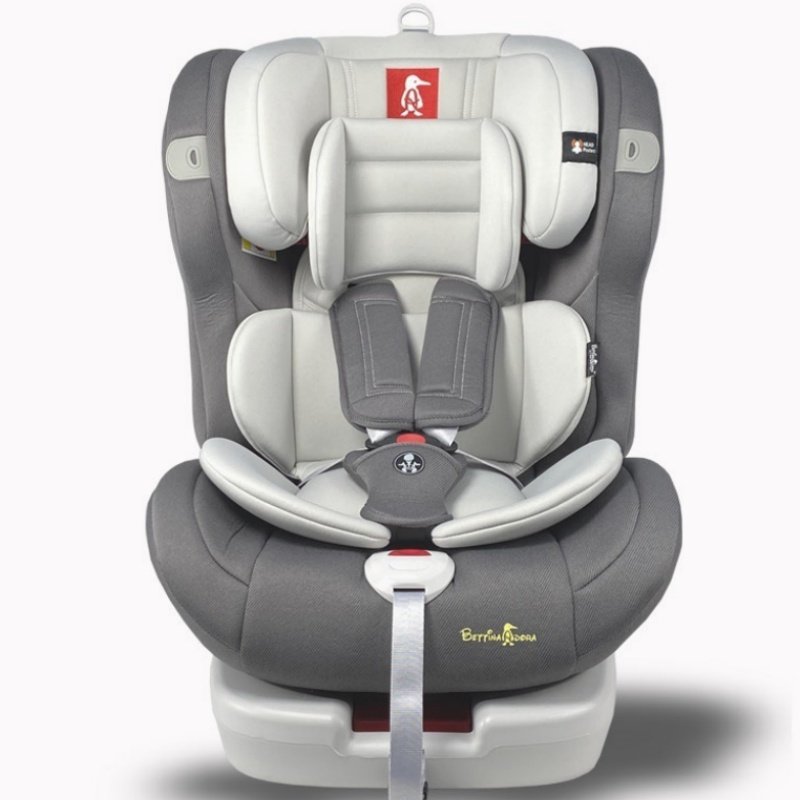
Infant carriers are perfect for newborns and young babies. They feature a handle for easy carrying and click securely into a stroller travel system. Most infants use these seats until they reach about 30-35 pounds. Remember that these are designed for transportation – avoid letting your baby sleep in the carrier for extended periods outside the vehicle.

Always check your specific seat’s height and weight limits, and remember that keeping your child in each stage longer (especially rear-facing) provides the best protection.
Five Critical Factors for Choosing the Right Car Seat
When deciding how to choose a car seat and stroller, consider these five essential elements. These factors work together to ensure your child’s safety and comfort during every journey.
First, always begin by checking for current safety certifications. Look for labels showing ECE R44/04 or the newer R129/i-Size standards. These certifications indicate the seat meets strict safety requirements and has passed rigorous crash testing. Newer i-Size seats generally offer enhanced protection, especially for side impacts.
Next, while age provides a general guideline, your child’s actual height and weight matter more for proper fit. Car seat manufacturers specify clear limits for each model. Choose a seat that accommodates your child’s current measurements while allowing room to grow. European regulations now prioritize height-based categorization through the i-Size standard.
Third, consider how the seat will connect to your vehicle. ISOFIX systems provide quick, secure installation with built-in connectors, while seat belt systems offer more universal compatibility. Check your car’s manual to see which options your vehicle supports, and consider whether you’ll need to move the seat between different cars frequently.
Moreover, the five-point harness remains the gold standard for child safety. This system secures your child at both shoulders, both hips, and between the legs, distributing crash forces evenly. Look for harness pads for comfort and easy-to-adjust straps that maintain proper tightness as your child grows.
Finally, a comfortable child is more likely to remain properly positioned in their seat. Ensure adequate padding and breathable fabrics. Also, verify the seat fits well in your vehicle without pressing against the front seats. Bring your child to test the seat whenever possible, as their comfort helps ensure long-term safety.
By carefully evaluating these five factors, you can choose a car seat that provides optimal protection while fitting perfectly into your family’s lifestyle.
Essential Safety Tips For Your Car Seat
Keeping your child safe in the car requires attention to some essential safety practices. These simple but crucial tips will help ensure your child’s protection during every journey.
First, always install the car seat correctly and secure the harness properly. A properly installed seat provides the best protection in case of sudden stops or collisions. Make sure the seat doesn’t move more than an inch side-to-side once installed. The harness should fit snugly against your child’s body, with the chest clip positioned at armpit level.
Also, remember that the back seat is the safest place for your child’s car seat. This position keeps them away from front airbags, which could cause injury in a collision. The center of the back seat offers extra protection from side impacts too. Keep your child in the back seat until they’re at least 13 years old for optimal safety.
Additionally, avoid dressing your child in bulky clothing or winter coats under the harness. Thick padding can compress during impact, creating dangerous slack in the harness. Instead, buckle your child in their regular clothing and place coats or blankets over the secured harness for warmth.
Following these important safety guidelines will give you confidence that your child is well protected during every car trip. Regular checks and proper usage make all the difference in keeping your little one safe on the road.
Making Your Final Selection: Travel System vs Mixed Brands
When deciding how to choose a car seat and stroller, you’ll face a key decision: mix and match different brands or select a complete travel system. Each approach offers distinct advantages for different family needs.
How to Decide Between Travel Systems and Mixed Brands
Travel systems provide excellent convenience because all components are designed to work together seamlessly. The car seat clicks directly into the stroller without any adapters, making transitions smooth and effortless. These systems also ensure perfect compatibility and often come at a more affordable price than purchasing items separately.
However, travel systems may limit your choices since you’re committed to one brand’s ecosystem. The stroller design might not perfectly match your specific needs, and you may find fewer customization options available.
Once you know what you need, you can confidently choose a car seat and stroller from several brands. This approach allows you to prioritize specific features you value most in each component. You can create a personalized combination that perfectly fits your lifestyle and preferences.
The main challenge with mixing brands involves ensuring proper compatibility. You’ll often need to purchase separate adapters, which adds to the total cost. The installation process may also become more complex, requiring extra steps to connect the car seat securely to the stroller.
How to Ensure Compatibility When Choosing Different Brands
If you decide to mix brands, always verify compatibility before making your purchase. Check the stroller manufacturer’s website for a list of compatible car seats and required adapters. Read product specifications carefully, and consider testing the combination in person if possible. Remember that using approved adapters is crucial for maintaining safety standards.
Ultimately, your decision should balance convenience against customization. Travel systems work beautifully for families seeking simplicity, while mixing brands offers greater flexibility for those with specific preferences. Whichever path you choose, proper research ensures you’ll find the perfect combination for your family’s adventures.
Conclusion: Implementing Your Selection Decision
Now that you’re equipped with all the essential information, it’s time to make your final decision with confidence. Let’s review the key points to consider as you prepare to choose the perfect car seat and stroller for your family.
First, create a simple checklist based on your specific needs. Consider your daily routine, vehicle type, and budget. Think about how many children you need to transport and what features matter most to you. Remember to verify compatibility if you’re mixing brands, and always prioritize safety certifications.
Next, we strongly recommend visiting a store to see the products in person. Testing the strollers yourself will give you a much better feel for their maneuverability and ease of use. If possible, bring your child along to try the seats – their comfort is ultimately what matters most. Don’t hesitate to ask store staff questions about installation and features.
Finally, trust that your research has prepared you well for this decision. Every family’s needs are unique, so focus on what works best for your situation. Whether you choose a travel system or mix brands, your careful consideration will lead you to the right combination for your family’s adventures ahead.
Happy parenting journey!