
A bassinet stroller offers the ideal first ride for your newborn. Doctors and experts consistently recommend it as the safest and most comfortable option. This is because it provides a completely flat lying surface, which is crucial for your baby’s healthy development. However, this ideal setup has its limits. As your baby grows and reaches key developmental milestones, the very features that make the bassinet perfect for newborns become restrictive. Knowing when to stop using a bassinet stroller is the key to supporting your child’s continued growth and exploration of the world.
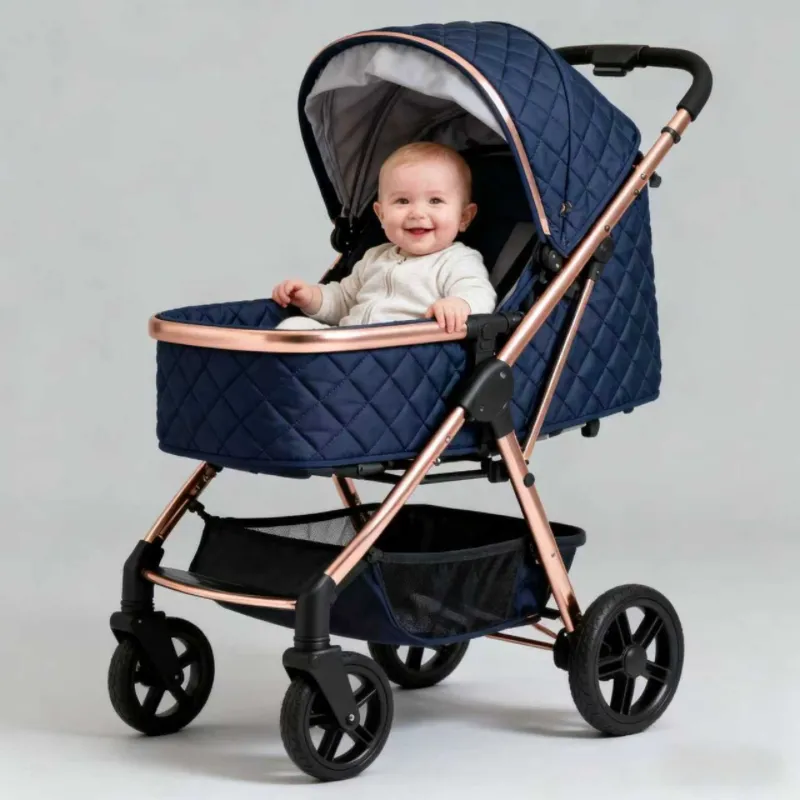
Why There’s No Set Age for Stopping the Bassinet Stroller
To determine when to stop using a bassinet stroller, watch for key developmental signs in your baby. First, consider your baby’s age and weight, as these provide useful reference points. However, these numbers alone don’t tell the whole story.
The most reliable signs come from your baby’s physical development. Look for clear milestones that show growing strength and mobility. These natural achievements indicate your child’s readiness for the next stage.
Therefore, the best approach combines multiple factors. Always balance the manufacturer’s guidelines with your observations of your baby’s unique progress. This way, you can ensure a safe and comfortable transition at just the right time for your child.
3 Clear Signs It’s Time to Stop Using the Bassinet Stroller
Watch for these important milestones that show your baby is prepared to stop using a bassinet stroller. Each sign marks a step in your child’s physical development and growing curiosity.
The #1 Safety Sign to Stop: When Your Baby Starts Pushing Up
This movement is a clear signal that your baby needs more space. When they can lift themselves up this way, the bassinet becomes restrictive and potentially unsafe. You should stop using the bassinet immediately once you see this development.
Your Baby’s Growing Strength: Why Head Control Means It’s Time to Move On
Notice if your baby can hold their head steady without support. This strength provides crucial support for sitting upright and shows their core muscles are developing well. It means they’re getting ready for the more engaged position of a stroller seat.
When Curiosity Demands a Change: The Sitting-Up Signal
Your baby might struggle against the bassinet’s flat surface or try to lift their head to see more. This natural curiosity indicates they want to interact with their surroundings. These behavioral cues suggest your baby would feel happier and more stimulated in a seated position.
When you observe any of these signs, especially combined, your baby is clearly telling you they’re ready for the next stage. Are you noticing any of these developments in your little one?
The Official Answer: When Manufacturers Say to Stop
Always check your specific bassinet’s manual for exact limits. Most manufacturers design their bassinets for infants up to about 6 months of age. This age guideline provides a useful general timeline for parents.
Additionally, most models set a maximum weight of 9 kg (approximately 20 lbs). This weight limit ensures the bassinet remains stable and secure as your baby grows.
Remember this important rule: whichever limit your baby reaches first is the one that matters. So if your baby hits the weight limit or shows signs of pushing up before reaching 6 months, you should make the switch then. Following these guidelines helps ensure your baby’s continued safety and comfort.
Safety First: The Most Important Reason to Stop on Time
Understanding why this transition is important helps you make timely decisions for your baby’s wellbeing.
Continuing bassinet use beyond its limits creates real risks. Your growing baby needs adequate space to move safely. An overcrowded bassinet can lead to fall hazards and general discomfort for your child.
Furthermore, a seated position affects the spine differently than a flat surface. Before your baby’s spine develops sufficient strength, sitting upright can place undue stress on their developing back. The bassinet’s flat surface provides optimal support during these early months of rapid growth.
Therefore, transitioning at the right time protects your baby’s safety while supporting their physical development. This careful timing ensures your child remains comfortable and secure through each stage of their growth.
How to Know When to Make the Switch: Your Practical Guide
Follow this simple plan to ensure a smooth and comfortable transition for your baby from the bassinet to the stroller seat.
Start Here: The First Step After You Stop Using the Bassinet
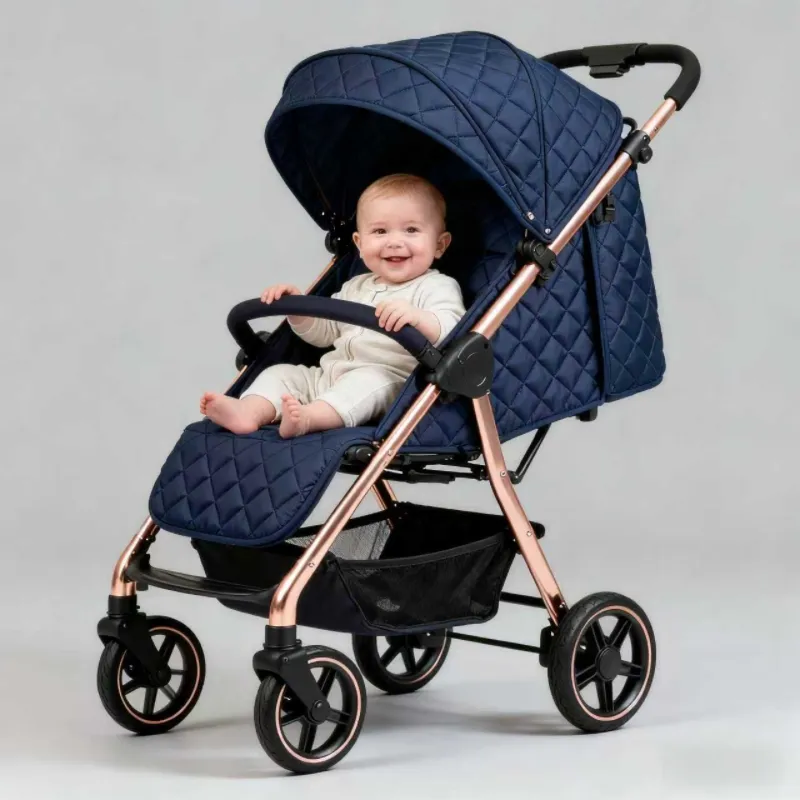
Start by using the stroller seat in its fully reclined position. This creates a flat surface that closely mimics the bassinet, helping your baby feel secure during the initial adjustment period.
Ease Into the Transition: Start with Short Trips
Limit the first sitting sessions to just 15-20 minutes. Then, as your baby shows comfort and acceptance, you can gradually extend these periods. This gradual approach allows your little one to adapt at their own pace.
Let Your Baby Decide When They’re Ready
Pay careful attention to your baby’s reactions during each session. Look for any signs of discomfort, slumping, or general fussiness. These cues will tell you if they need more time to develop their sitting strength or if they’re ready for longer periods in the seat.
Your “When to Stop” Questions, Answered
Here are answers to some common questions parents have about transitioning from the bassinet stroller.
“Can my 7-month-old still nap in the bassinet?”
Check two things first. Make sure your baby remains under the weight limit and cannot push up on hands and knees. If they meet both conditions, then yes. However, most babies outgrow the bassinet well before this age.
“What if my baby refuses the stroller seat at first?”
This is very common. Start by using the seat in a fully reclined position for just a few minutes. Then, you can try combining it with a favorite toy. Also, ensure your baby feels well-rested and fed before each attempt. This gradual approach usually helps them accept the new seat.
“How is a bassinet different from a fully reclined seat?”
A bassinet provides a completely flat, firm surface, which is ideal for a newborn’s spine and breathing. A fully reclined seat still creates a slight angle, so it doesn’t offer the same optimal support for extended sleep. Therefore, the bassinet remains the superior and safer choice for newborns.
Knowing When It’s Time to Stop – And Moving Forward with Confidence
Remember these key points as you prepare for this transition. First, focus on your baby’s development rather than their exact age. Watch for those important physical milestones that show readiness. Also, always follow the manufacturer’s safety guidelines for weight and age limits.
This transition represents an exciting step forward in your baby’s growth. While change can feel challenging, moving to the stroller seat opens up new ways for your child to explore and engage with the world around them.
So trust your observations and celebrate this progress. You’re supporting your baby’s development exactly when they need it most. Enjoy this new stage of adventures together!